
Healing Benefits of Infrared Light Therapy for Optimal Wellness
In recent years, infrared light therapy has been witnessed to be a healing modality that has been chosen to achieve modern wellness wisdom, and a surge in interest in wellness practices has been seen. A host of innovators have harnessed the power of infrared light therapy in new and unique applications, such as infrared lamps, sauna blankets and heating pads, which offer a range of benefits that go far beyond simple relaxation.
This cutting-edge infrared therapy treatment uses specific wavelengths of light to foster healing, accelerate recovery and rejuvenate the body, making it especially attractive to athletes and individuals pursuing holistic health solutions.
With numerous advantages being highlighted, you might wonder what the most compelling benefits of infrared light therapy are and how overall wellness can genuinely be influenced by it. Today, we will delve into the benefits of infrared light therapy and explore how this non-invasive treatment can promote healing and relaxation.
Understanding Infrared Light Therapy
What is infrared light?
Infrared light, or infrared waves, are part of the electromagnetic spectrum and have longer wavelengths than visible light. While invisible to the human eye, it is experienced as heat and penetrates the skin, reaching deep tissues and cells underneath. This enables infrared light therapy to confer a plethora of therapeutic benefits, ranging from enhanced cutaneous rejuvenation to muscle recovery.
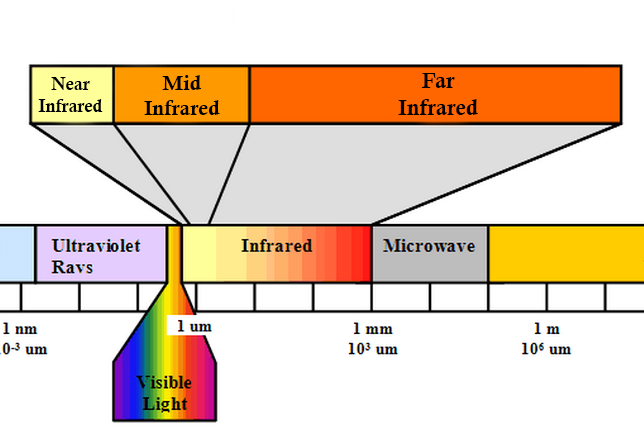
Infrared light is divided into three types based on wavelength: near, mid and far infrared, with near-infrared (NIR), mid-infrared (MIR) and far-infrared (FIR) being the names given to these different types. Distinct therapeutic benefits and holistic side effects are offered by each type.
Infrared Light Wavelengths:
- Near infrared (NIR): The shortest infrared spectrum works closest to visible red light. Some research shows that when we deliver a vital wavelength without extreme heat or light, NIR promotes skin renewal, cell health, wound healing and tissue growth. The approximate wavelengths are 0.7 to 1.5 microns (700 to 1500 nm).
- Mid Infrared (MIR): A longer wavelength that allows deeper penetration into the body’s soft tissue where inflammation occurs, and speeds up the healing process. It targets the muscle and soft tissues that are deeper than the skin surface. Approximate wavelengths: 1.5 to 5.6 microns.
- Far infrared (FIR): Far infrared, with a wavelength ranging from approximately 3 µm to 1 mm, operates at the longest wavelengths of the infrared spectrum. Far infrared is typically experienced as radiant heat. It can raise skin and tissue temperature and support circulation responses, sweating and deep relaxation.
How Does Infrared Light Therapy Work?
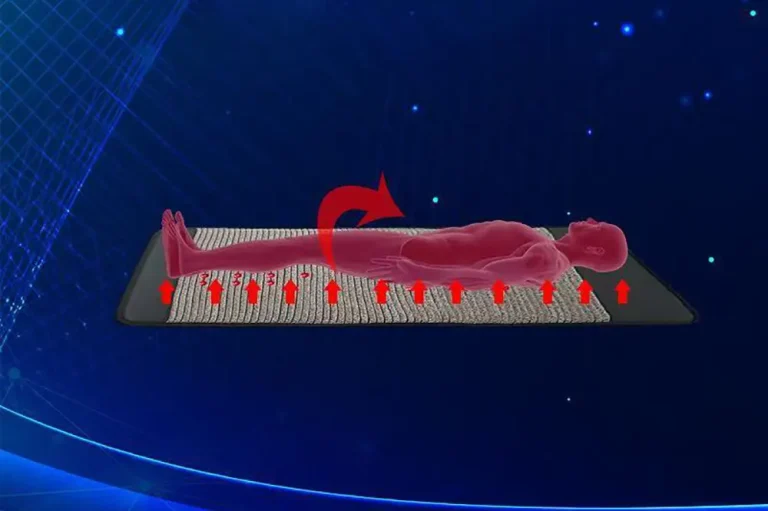
In the case of infrared therapy, the process involves the exposure of the body to infrared light. The cells in the body absorb the light, which leads to a rise in temperature at the cellular level. For example, when a person steps into the infrared sauna and turns it on, the infrared light saturates the area, potentially more easily penetrating deeper layers of skin and tissue, reaching muscles and deeper body cells. This makes it an excellent option for detoxification, pain relief and improving circulation.
Since infrared light can be absorbed more deeply by the skin and tissue of a person, blood flow can be quickly increased and inflammation can be reduced. By promoting circulation, this therapy can facilitate improved oxygen and nutrient delivery to the tissues, leading to accelerated healing and reduced inflammation.
Moreover, infrared treatment has been demonstrated to have a beneficial effect on muscle temperature, assisting in the relaxation of tense muscles and the alleviation of discomfort. The therapy generates deep heat that can penetrate the muscles, providing relief to those suffering from various ailments.
Infrared Light Therapy Benefits
According to clinical trials, infrared light therapy can provide several benefits, especially for those who enjoy it regularly.
1. Skin Purification and Rejuvenation
Infrared light therapy can provide major benefits to your skin, helping to improve its appearance and feel healthier. Specifically, it can help to detoxify your skin by inducing sweat.
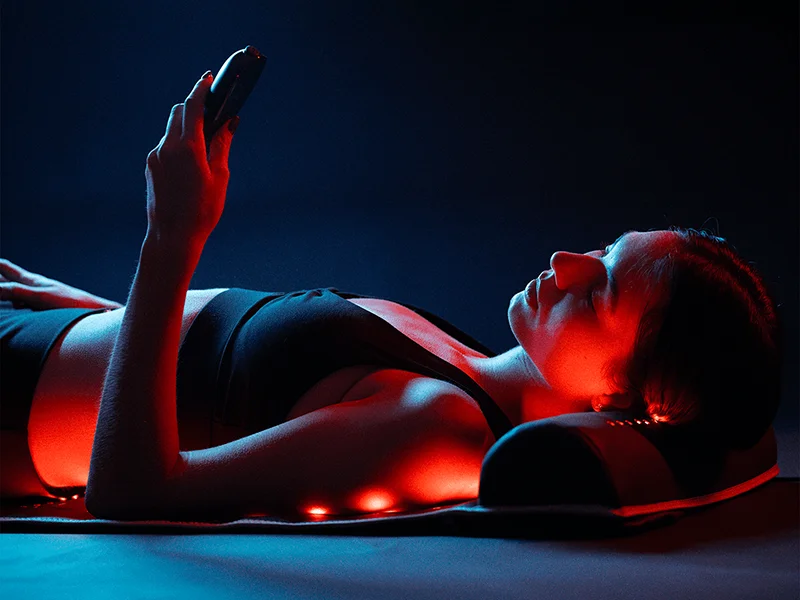
When you undergo infrared light therapy, your body begins to perspire to cool down. Sweating during infrared therapy sessions helps remove toxins and dirt deep inside pores. Additionally, infrared causes the blood vessels to dilate, which increases blood circulation and delivers fresh nutrients to the surface of the skin. The outcome is healthier, more visibly radiant skin.
Infrared light therapy, which involves regular sweating, may even help you reduce the incidence of acne outbreaks if you struggle with this condition. Since the improvements occur at the cellular level, a reduction in fine lines may be seen, a faster healing process for the skin may be noticed, and even better hair growth may be experienced.
2. Improved Cardiovascular Health
Research overwhelmingly shows that infrared therapy has excellent benefits for cardiovascular health and maintaining a healthy heart. An increase in heart rate and cardiac output is caused by the infrared heating effect deep in muscular tissue and organs as the body works to cool itself. This results in cardiovascular training and conditioning.
Although infrared sauna light therapy cannot wholly supplant exercise (nor should it), it can be a worthwhile ancillary source of physical well-being. Infrared saunas can help alleviate joint and muscle soreness and provide increased athletic performance.
As mentioned above, cardiovascular improvements usually occur in tandem with infrared light therapy sessions.
3. Promote Relaxation
The occurrence of long-term stress can result in a number of health issues, including high blood pressure, muscle tension and headaches. Infrared light therapy has been proven to induce a state of profound relaxation. When you get an invigorating deep tissue massage, the soothing, therapeutic infrared heat will relax your body. You will feel fully refreshed, rejuvenated and renewed.
Regular use of infrared light therapy, such as infrared saunas, has demonstrated not just the promotion of relaxation and reduced stress through regulation of the nervous system, but also the enhancement of mental well-being and even the extension of lifespan. As a more relaxed state is entered by the body, mental clarity is improved, stress levels are decreased and feelings of anxiety are diminished, engendering a sense of calm and wellbeing.
It has also been demonstrated to enhance the quality of sleep, which is paramount for the effective management and reduction of chronic stress.
4. Reduce Inflammation and Pain
Perhaps most importantly, infrared light therapy is scientifically known to assist with inflammation and pain reduction. Deep heat of up to 1.5 to 2 inches is penetrated by far-infrared into joints, muscles and body tissues, with circulation being increased and oxygen flow sped up as a result. Infrared heat can reduce soreness on nerve endings and provide soothing relief for back pain, sprains, stiffness, spasms, and help the body heal itself naturally.
The warmth also helps to soothe irritated muscles, tendons and other inflamed or painful tissues. There’s a reason why many athletes use heat packs or similar tools to soothe injured parts of their bodies after a workout or game. The same principle is applied to warming infrared light therapy.
Some people believe that conditions that cause chronic pain, such as osteoarthritis and back pain, can all see improvements thanks to the benefits of red light.
5. Enhanced Muscle Recovery
Infrared light therapy may be beneficial for muscular injuries. As infrared light improves mitochondrial activity in your cells and activates ATP (the energy source in your tissues), you may experience faster growth and repair of muscle tissue.
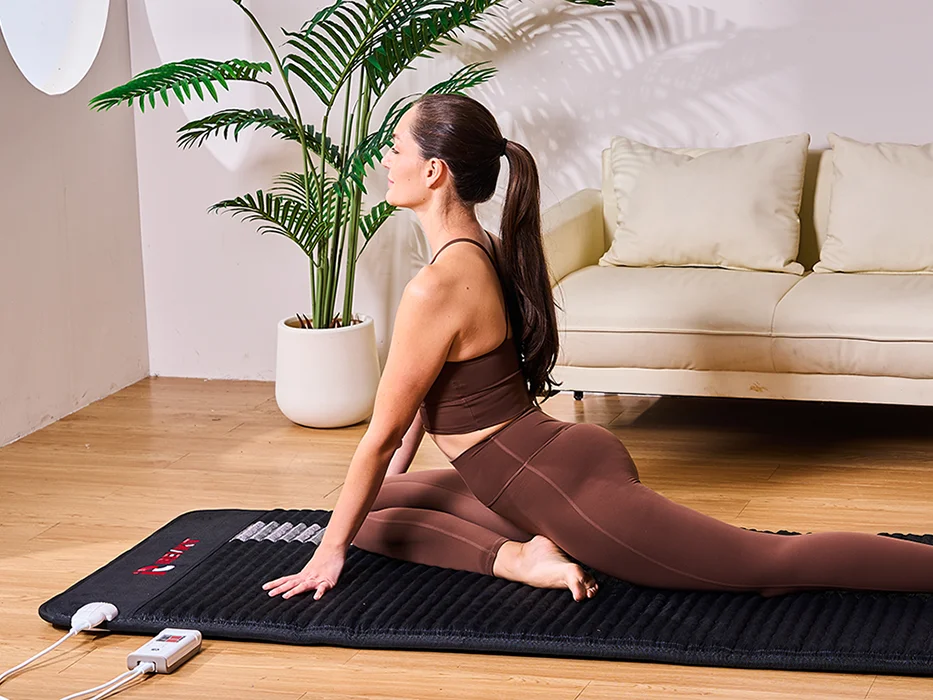
For example, you could enjoy an infrared light therapy session after a long workout at the gym to help build muscle. Providing your muscles with stimulating infrared energy may help them to grow more rapidly and promote cellular repair, minimizing post-exercise soreness and accelerating the recovery process.
6. Weight Loss
Boosting metabolism, burning calories and reducing fat are the ways in which far infrared therapy can help with weight loss. Here’s how it works:
7. Promote Restful Sleep
Poor sleep quality is often accompanied by tension, inflammation, chronic pain, post-exercise soreness, persistent fatigue and the physical stress of a demanding work schedule. Infrared therapy, particularly when delivered via whole-body photobiomodulation, is designed to support cellular energy production and tissue repair. This can create the conditions for deeper, less interrupted sleep.
At a cellular level, red and infrared light are understood to interact with mitochondria, which are involved in energy production. This process is commonly discussed in relation to ATP production. When cells produce energy more efficiently, the body can recover more effectively from physical strain. For someone who feels wired, heavy or achy at the end of the day, this can make a significant difference.

While the evidence around infrared light therapy and sleep is promising, it is still developing. Some research and clinical observations suggest that red and near-infrared light therapy may improve sleep quality, particularly in cases involving pain, inflammation, stress or recovery issues. Interest is also growing in how photobiomodulation may influence circadian biology, mood, and autonomic nervous system function.
8. Mental Health and Mood Enhancement
In addition to their physical benefits, the positive influence of infrared and red light therapy extends to mental well-being. Exposure to these lights has been linked to increased endorphin production, which are the body’s natural mood enhancers. This opens up new avenues for exploring their potential in managing conditions such as seasonal affective disorder (SAD) and enhancing overall mental health.
Infrared light improves cerebral blood flow and oxygen delivery, enhancing circulation and muscle relaxation, supporting the repair of damaged neurons and promoting a calmer state.
Infrared therapy benefits can be enjoyed daily by using one of the many products on the market. These products are designed to provide the benefits of infrared therapy in the comfort of your own home.
Apply Infrared Therapy to Daily Routine
When it comes to incorporating infrared therapy into your health and wellness routine, there are several therapeutic and wellness applications on the market to choose from. These products are designed to provide the benefits of infrared therapy in the comfort of your own home.
Infrared Therapy Devices
Incorporating Infrared Therapy into a Health and Wellness Routine
Research indicates that infrared therapy has the potential to enhance blood flow, reduce inflammation and promote stress relief. It is implied by these findings that overall well-being may be enhanced by incorporating infrared therapy into one’s health and wellness regime.
When you begin using infrared therapy in your own home as part of your health and wellness regime, consider purchasing an infrared lamp or a heating pad. These devices emit infrared light that permeates the skin to induce relaxation and alleviate muscular tension.

Here are some tips for implementing infrared therapy at home:
When Should You Use Infrared Light Therapy?
Infrared light therapy is best enjoyed in a similar way to steam saunas. For example, you can enjoy infrared light therapy:
Further research is required to determine which other systems might respond positively to infrared therapy.