
LED Light Therapy Colors Benefits: Understanding Different Wavelength of Light
In recent years, LED (light-emitting diode) therapy has gained popularity as a non-invasive treatment for various skin issues. Dermatologists, estheticians, and skincare enthusiasts have adopted this scientifically backed method to address concerns such as acne, signs of aging, inflammation, uneven tone, and more.
LED Light therapy works by using different wavelengths of light, which are used to penetrate the skin at various depths. The body’s natural processes are triggered as a result, with cell renewal, inflammation reduction and collagen production being some of the effects. Focusing on effective wavelengths like red, blue, yellow, and infrared can lead to noticeable improvements in overall skin health, tone, and texture.
But not all LED colors are equally effective. While each has a role, research consistently shows that red, blue, yellow, and infrared lights offer the most reliable, science-backed results. Understanding how each wavelength interacts with your skin can help you skip the gimmicks, personalize your LED light therapy treatment, and get the most from your device. With that in mind, here’s a breakdown of what each LED light color is said to help with.
LED Light Therapy Color Chart and Their Benefits
The light penetrates the skin at various depths depending on the wavelength, making it versatile enough for surface-level and deeper concerns. Each color of light targets a different concern:
- Red light encourages collagen production and reduces inflammation.
- Blue light targets acne-causing bacteria.
- Green light helps with pigmentation and uneven tone.
- Other colors, like yellow and near-infrared, may be used for more profound healing or circulation support.
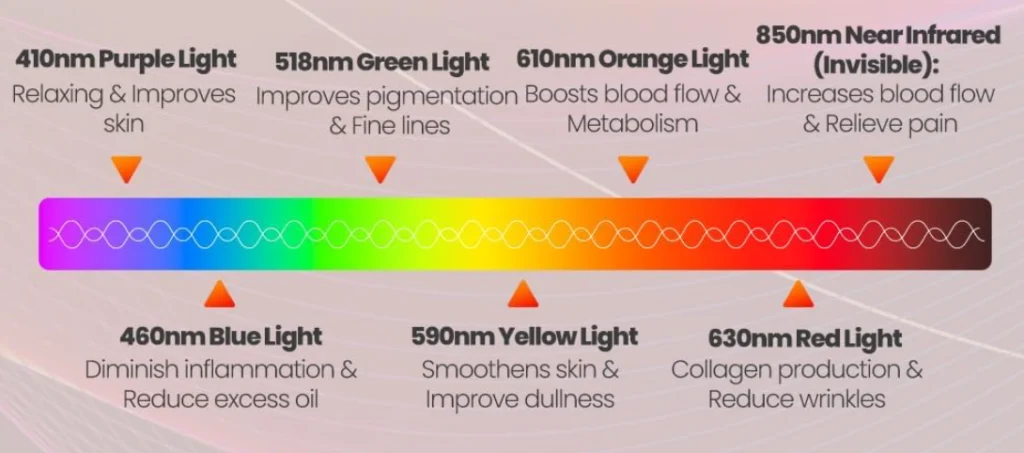
| LED Light Color | Primary Benefits | Best for |
| Near-Infrared (850nm) | Deep tissue repair & pain relief | Arthritis, muscle recovery |
| Red (630nm) | Boosts collagen & wound healing | Anti-aging, wrinkles, skin repair |
| Orange (610nm) | Boost blood flow & metabolism | |
| Yellow (590nm) | Improves circulation & brightens skin | Dull skin, puffiness reduction |
| Green (518nm) | Reduces pigmentation | Dark spots, redness reduction |
| Blue (460nm) | Kills bacteria & reduces oil | Acne treatment, skin disinfection |
| Purple (410nm) | Wound healing, increases hydration | Acne + anti-aging |
| White (630+550+450nm) | Boosts overall skin rejuvenation | Skin renewal, energy production |
Near-Infrared Light Therapy
Near-Infrared Wavelength 830-880nm
Near-infrared (NIR) light penetrates the deepest of all LED wavelengths, reaching beyond the dermis to support skin at a cellular level. It stimulates mitochondria, boosting collagen production for firmer skin, activating hair follicles for thicker growth, and reducing inflammation for faster healing. Additionally, it supports bone repair. Compared to red light, which primarily targets surface layers, near-infrared light provides deeper therapeutic benefits, promoting skin rejuvenation and overall tissue healing.
It’s also known for reducing inflammation, promoting blood flow and oxygenation, and supporting hormone balance—making it a great all-rounder for both skin and wellbeing.
Benefits of Near-Infrared LED Light:
- Penetrates deeper into the muscles, bones, and joints.
- Boosts blood circulation and oxygen delivery to tissues.
- Reduces inflammation and stiffness in arthritis patients.
Targets:
- Fine lines, wrinkles
- Irritation and redness
- Dull skin
Red Light Therapy Benefits
Red Wavelength 630-660nm
Red light therapy penetrates deeply into the dermis, where it stimulates the production of collagen and elastin, two key proteins responsible for maintaining the firmness and smoothness of your skin. This helps reduce fine lines and wrinkles while enhancing blood flow and oxygenation. The result? Skin that feels plumper, looks brighter, and functions better at a cellular level. It also supports the delivery of nutrients and antioxidants to repair skin damage and improve overall tone and texture.
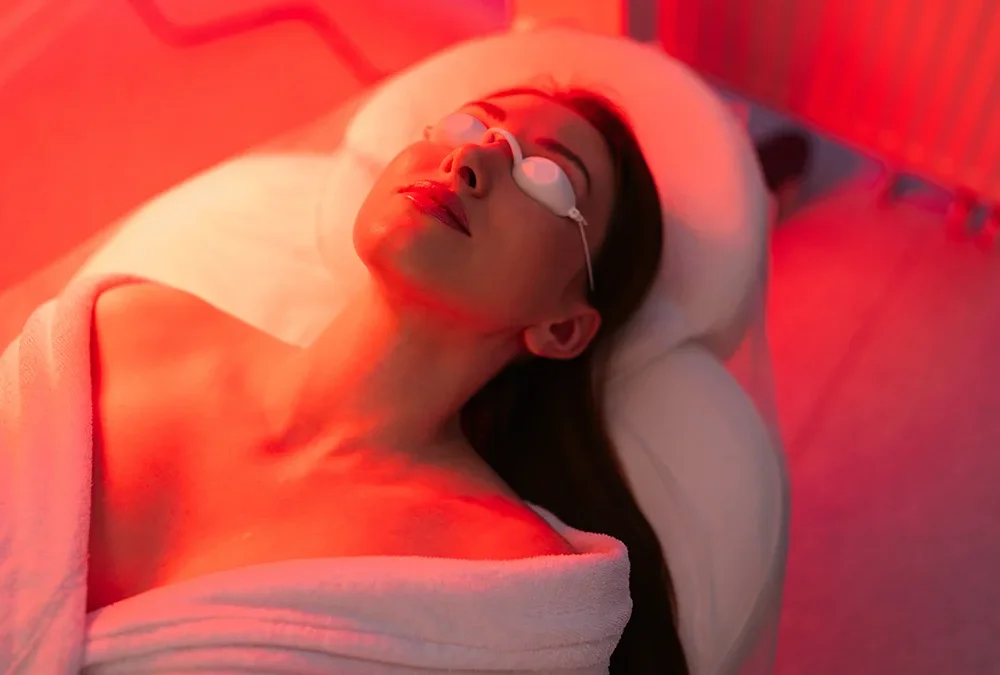
Red light therapy’s benefits don’t stop at the skin’s surface either. Research shows it also prolongs the hair growth phase (anagen), encouraging longer, thicker strands, making it a versatile option for both skin and scalp health.
Benefits of Red Light for Both Skin and Overall Health:
- Stimulates collagen and elastin production
- Smooths fine lines
- Wound healing
- Reducing inflammation
Targets:
- Fine lines and wrinkles
- Skin elasticity
- Dull or tired-looking skin
- Hair regrowth
Orange Light Therapy
Orange Light (590–620nm)
Orange LED light bridges the gap between yellow and red light, offering a mix of brightening and anti-inflammatory benefits. It works by stimulating cellular activity in the skin, encouraging natural healing and regeneration. When exposed to orange light, skin cells absorb the energy and use it to repair damage, increase hydration, and promote elasticity. This process improves circulation and oxygenation, giving the skin a healthier, more vibrant look.
Orange LED light promotes a brighter glow for more radiant skin, adding vitality to dull, lifeless complexions.
Benefits of Orange LED Light Include:
- Energizes and revitalizes dull, fatigued skin
- Promotes lymphatic flow and detoxification
- Enhances skin clarity and radiance
- Reduces puffiness and under-eye circles
Yellow 585-605nm
Yellow Wavelength 585-605nm
Yellow light targets the dermal layer of skin, where light is absorbed by cells and converted to energy, bringing you the following benefits:
- Reduces redness
- Inhibits melanin production & angiogenesis
- Reduces the appearance of spots
- Improve circulation
- Skin brightening
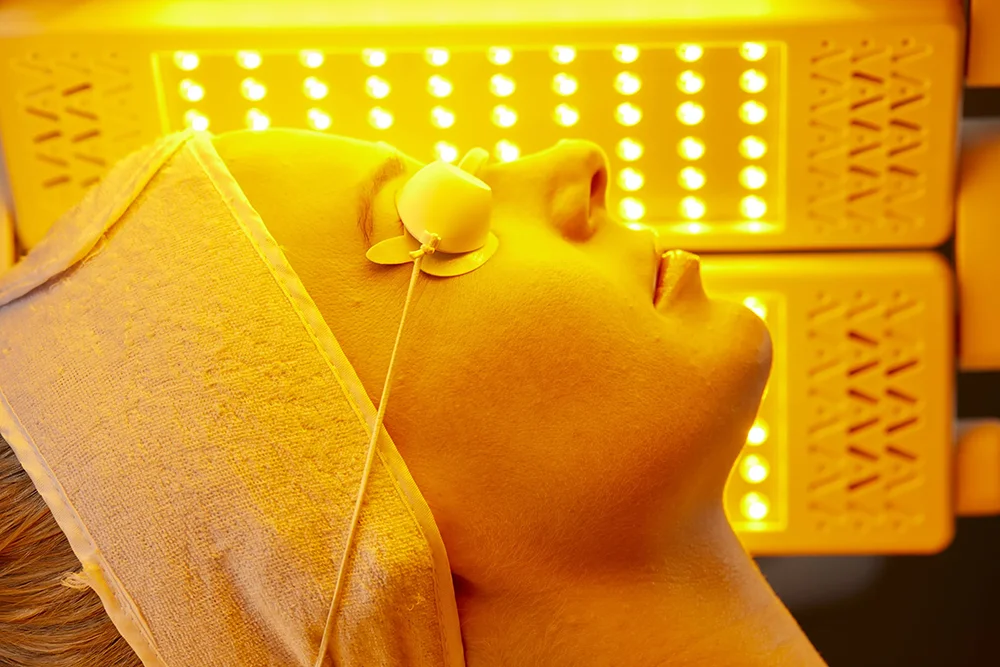
As the LED light deeper than blue or green light, yet shallower than red light, yellow light kickstarts cellular functions, boosting healing and overall skin health, reducing inflammation and helping to improve skin tone and calm redness for clearer, brighter skin. For enhanced results, combining yellow light with complementary wavelengths can further optimize skin rejuvenation.
Targets:
- Inflammation and redness
- Uneven skin tone
Green LED Light Therapy
Green Wavelength 535-560nm
Green light therapy focuses on pigment-producing and inflammatory cells in the skin. It helps reduce melanin production, lightens dark spots, and evens out the overall skin tone. Because it doesn’t penetrate as deeply as red light, it’s gentle enough for treating surface-level concerns, such as redness and irritation.
Evidence suggests it also exerts anti-inflammatory effects and may stimulate endogenous pain-relief pathways, offering potential therapeutic benefits. While red light remains the most established for hair regrowth, preliminary research indicates green light may enhance outcomes when combined.
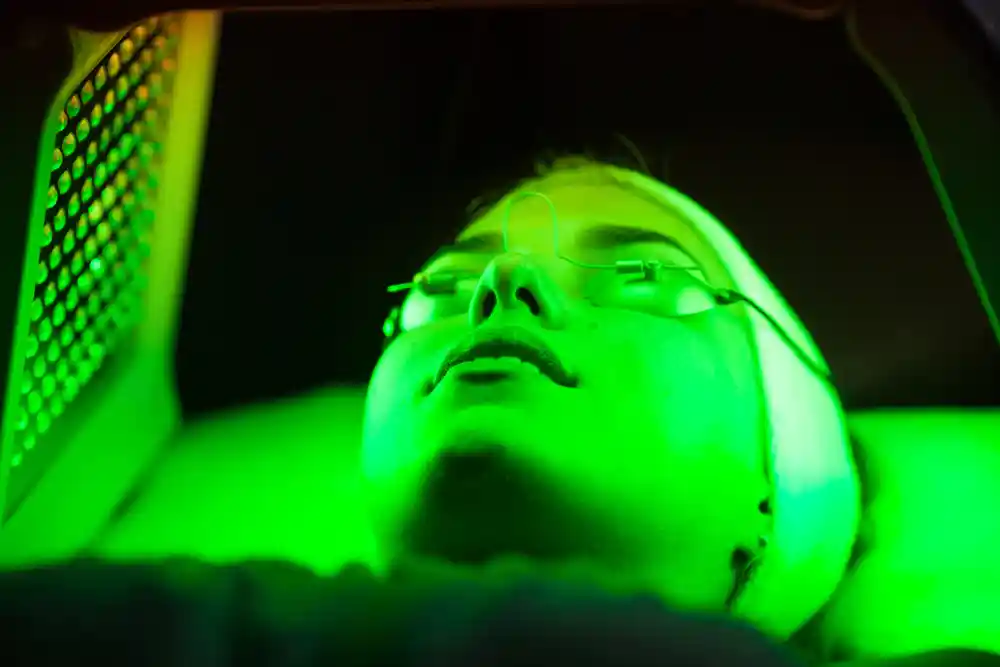
Potential Benefits of Green LED Light Therapy:
- Reduce appearance of dark spots
- Calms skin redness
- Relieves head pain
Targets:
- Hyperpigmentation
- Uneven skin tone
- Redness and irritation
Blue LED Light Therapy
Blue Wavelength 415-480nm
Blue light is like a powerful antibacterial agent that works on the uppermost layer of the skin, where it targets P. acnes, the bacteria responsible for breakouts. It also regulates oil production in the sebaceous glands, helping to prevent clogged pores and future flare-ups. Meanwhile, it calms inflammation and reduces redness while reducing oiliness to prevent future clogged pores. For enhanced results, pairing blue light with red light accelerates healing and soothes skin further —offering a safe, non-invasive solution for clearer, healthier skin.
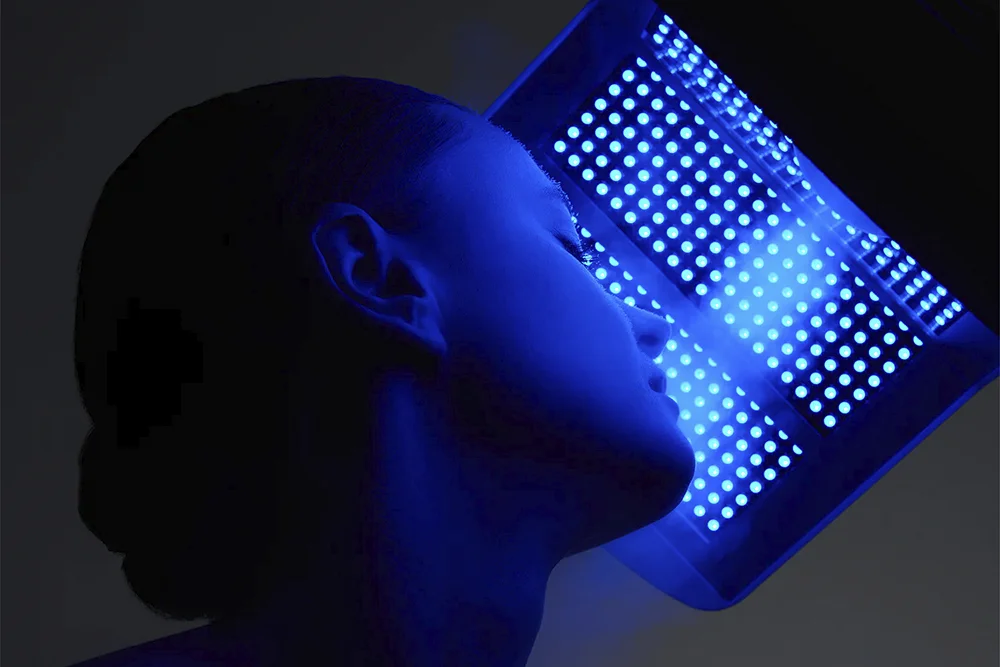
Clinically Proven Benefits That Blue Light Delivers:
- Eliminates acne-causing bacteria
- Balances oil production
- Reduces inflammation
Targets:
- Acne and breakouts
- Oily skin and congested pores
- Inflammation and redness
Purple Light Therapy
Purple Light Wavelength 380–430nm
Purple light combines the clarifying benefits of blue light with the rejuvenating power of red, making it a perfect match for skin that’s dealing with both blemishes and early signs of skin stress or dullness. It helps calm acne-causing bacteria while supporting collagen production for smoother, more refined skin. Additionally, it’s gentler than blue light, making it ideal for sensitive or easily irritated skin.
Purple light therapy is a blend of blue and red wavelengths, combining acne-fighting and skin-rejuvenating benefits. It’s ideal for targeting breakouts and signs of aging together.
Benefits of Purple LED Light Include:
- Clears breakouts while promoting healing
- Reduces post-acne redness or scarring
- Supports anti-aging and skin renewal
- Ideal for adult acne or hormonal skin concerns
Targets:
- Acne and breakouts
- Signs of ageing
- Inflammation and redness
How to Use LED Light Therapy for Maximum Results
For optimal benefits, follow these guidelines when using LED light therapy:
- Use 10-20 minutes per session, 3-5 times per week.
- Choose the correct light color based on your needs.
- Apply on clean, dry skin for better absorption.
- Maintain a safe distance (if using a light panel) or lay directly on a therapy mat.
- Be consistent to see long-term improvements.
Discover All the Benefits of LED Light Therapy for Skin
Numerous studies have shown that red light therapy offers several benefits for skin health, including:
- Reduced fine lines and wrinkles
- Improved skin elasticity and firmness
- Brighter, more even skin tone
- Faster healing of scars and blemishes
- A naturally radiant, youthful glow
Best of all, results continue to improve over time as collagen levels increase and skin regenerates naturally!