
Complete Guide to Use PEMF Therapy for Stress Relief and Better Sleep
Have you ever thought about whether there is a safe and non-invasive way to relieve stress, promote deep sleep, and improve overall wellness? If you’re seeking alternative and integrative solutions for your health problems, you might be interested in the PEMF Therapy Mat, an innovative and natural way to enhance your health and wellbeing.
Pulsed Electromagnetic Field Therapy (PEMF)
PEMF (Pulsed Electromagnetic Field) therapy is a safe, non-invasive method that enhances wellness by interacting with the body’s electromagnetic energy. By delivering targeted, low-frequency electromagnetic waves, PEMF therapy has the remarkable ability to reset nervous system circuitry, stimulate cellular energy production, and encourage tissue regeneration, including collagen and bone. Its multifaceted benefits make it a powerful tool for nervous system regulation, blood sugar balance, and sleep quality.
PEMF Therapy Help with Anxiety and Stress?
PEMF therapy aids the body in transitioning into a parasympathetic state, which is essential for relaxation and recovery. By calming the central nervous system, PEMF helps reduce stress responses, allowing the body to heal and relax more effectively.
For individuals experiencing anxiety, a beneficial approach to improving mental well-being may be offered by PEMF therapy.
Integrating a PEMF therapy device into your daily routine is an effective tool for promoting restorative sleep, relieving stress, and essentially retraining your brain. In just minutes, immerse yourself in the soothing embrace of electromagnetic waves, which promote deep calmness and stress relief.
Brainwaves:
Electrical impulses, or brainwaves, are what make our brain work. They are categorized by groups of neurons firing in synchrony. Measured in hertz (Hz), or cycles per seconds, these rhythms reflect different states of consciousness and mental activity – from deep sleep to intense concentration.
Your brain naturally shifts between different brainwaves throughout the day—like gears shifting depending on what you’re doing.
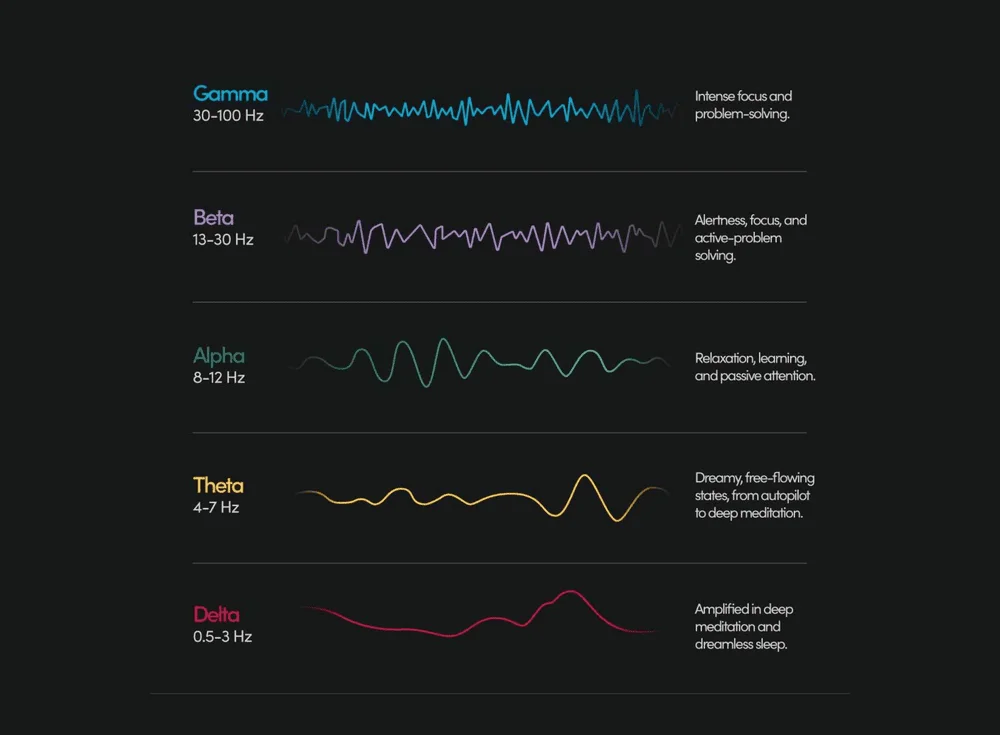
Types of Brain Waves:
Each type of brainwave operates at a different frequency and is associated with specific mental and physical states:
- Gamma (30+ Hz): Insight, complex processing, peak experiences
- Beta (12–30 Hz): Alertness, concentration, active thinking, problem-solving
- Alpha (8–12 Hz): Calm focus, relaxed alertness, flow state
- Theta (4–8 Hz): Creativity, emotional healing, accessing the subconscious
- Delta (0.5–4 Hz): Deep sleep, recovery
Change Your Brainwaves
You can change your brainwave state temporarily with neurostimulation. And over time, and with deliberate practice, brain training, you can control your brainwave patterns.
Neurofeedback and other forms of brain training have shown that it’s possible to strengthen underactive rhythms (like alpha for calm) or reduce excess patterns (like high beta for anxiety).
How PEMF Frequency Improve Deep Relaxation and Sleep?
During sleep, our brains generate Theta and Delta waves. Theta waves take place during the dream phase of sleep, while Delta waves suggest deep, restful sleep. PEMF stimulation uses a brainwave entrainment mechanism that utilizes targeted frequencies to align brainwave activity with desired mental states, whether to improve concentration at work, promote relaxation during meditation, or support deep and restful sleep. A PEMF device emits frequencies identical to those that your brain produces.
Experience rapid relaxation with PEMF therapy. In just minutes, you can immerse yourself in the soothing embrace of electromagnetic waves, which promote deep calmness and stress relief. Embrace the power of quick and effective relaxation.
Understanding PEMF Frequency Settings of IREVIKIT PEMF Device
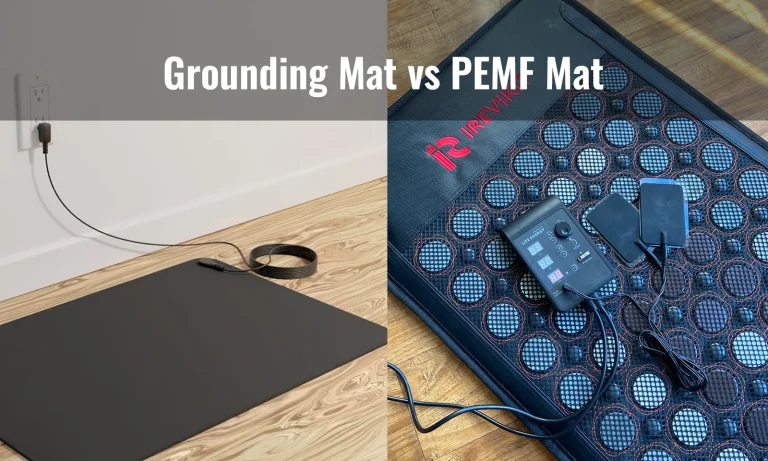
Your home PEMF devices (like iReviKit PEMF Mats) typically offer multiple frequency settings, each designed to support different states of mind. Think of these frequencies as similar to the different brainwave patterns your brain naturally cycles through during the day.
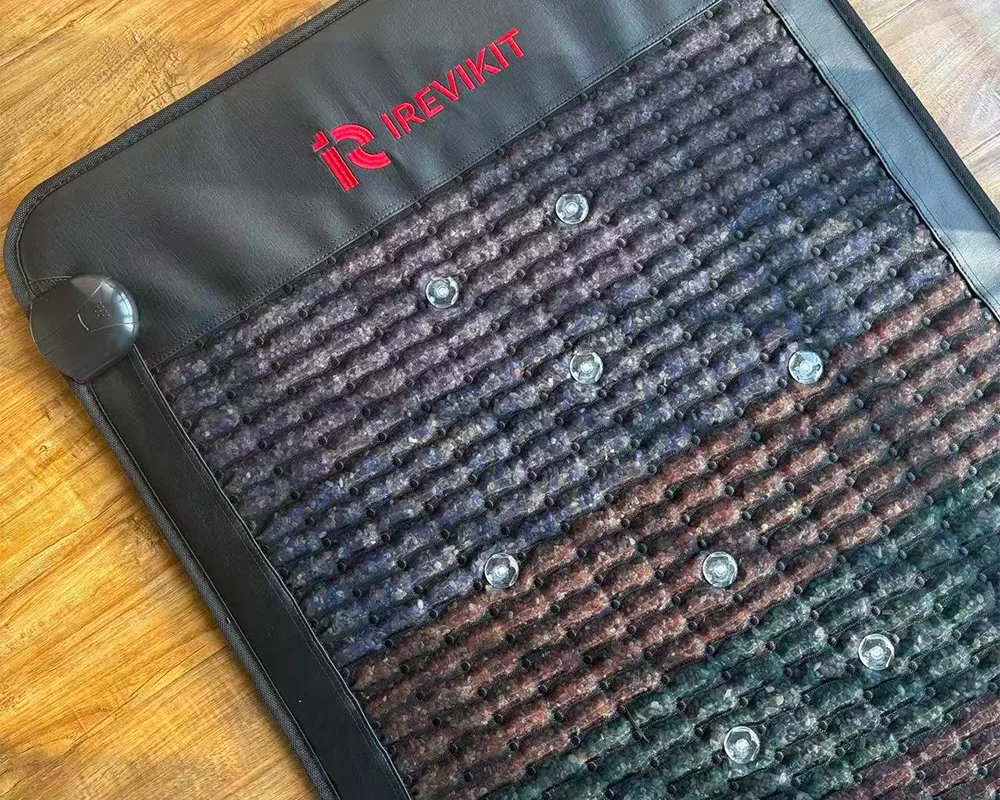
- Delta Waves (3 Hz) – Encourages deep relaxation and restorative sleep. Best for pre-bedtime sessions or stress management during the day.
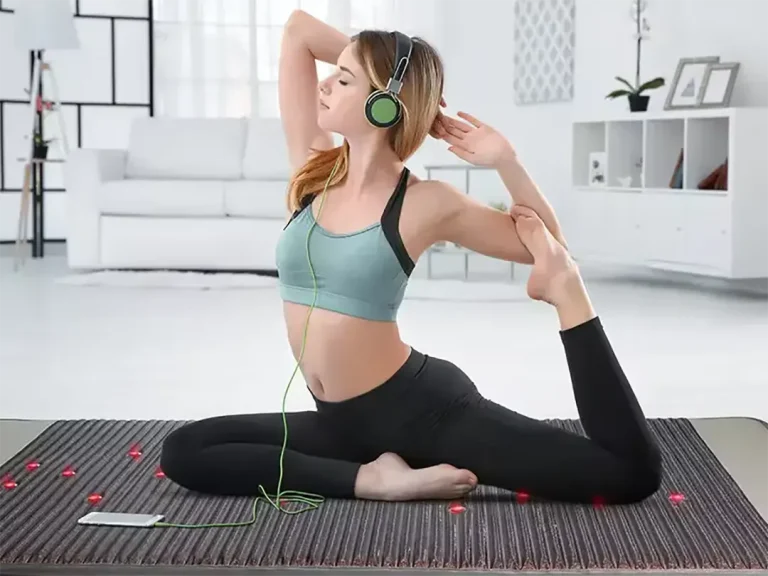
- Theta Waves (7.83Hz, Schumann Resonance) – Mirrors Earth’s natural electromagnetic field, promoting calm and grounding. Ideal for midday resets or yoga practices.
- Alpha Waves (10 Hz) – Connected to calm alertness, creativity, and focused attention. If you want to feel relaxed yet mentally sharp, alpha frequencies may be ideal for you.
- Beta Waves (25 Hz) – Related to active thinking, problem-solving, and concentration. These higher frequencies are better suited for daytime use when you need mental clarity (avoid them close to bedtime).
- Gamma Waves (40 Hz) – G Waves promote high-level memory and information processing, learning and memory.
- Refined Oscillation Wave (48 Hz) – Induce cellular vibrations to accelerate the flow of lymphatic fluid, elevate intracellular temperature and improve cellular viability.
- Magnetic Resonance Wave (56Hz) – Enhances blood circulation and aerobic metabolism to promote vascular flexibility.
- Deep Penetration Wave (64Hz) – Traverse deep-seated organs of the body to repair internal organs, alleviate pain, facilitate detoxification and promote healing.
Practical Tips for Beginners
- Start with shorter sessions: If you’re new to home PEMF devices, begin with 15-20 minute sessions and gradually increase to 20-30 minutes as you become comfortable with the sensations.
- Choose the right frequency: Lower frequencies (1–8 Hz) promote relaxation and improve sleep quality. Mid-range frequencies (8–14 Hz) can help you achieve calm focus.
- Create a consistent routine: Morning sessions promote alertness, afternoon sessions combat stress and fatigue, and evening sessions prepare your body for deep, restorative sleep.
- Combine with mindfulness: For better results, combine PEMF with breathing exercises or meditation.
- Listen to your body: Adjust the settings based on how you feel during and after sessions.
- Be patient: Unlike some interventions that provide immediate sensations, the effects of PEMF can be subtle and cumulative. Allot yourself a period of several weeks of consistent usage before evaluating its efficacy.

How to Use Your Home PEMF Device to Relieve Stress
Managing stress isn’t just about feeling calmer in the moment; it’s about supporting your nervous system’s ability to effectively switch between “alert” and “rest” modes. Here’s a simple approach to using your home PEMF device for stress management.
Step 1: Set the scene.
Find a quiet space. Make sure you won’t be interrupted. If possible, dim the lights and remove any potential distractions. This tells your brain that it’s time to relax.
Step 2: Position yourself comfortably.
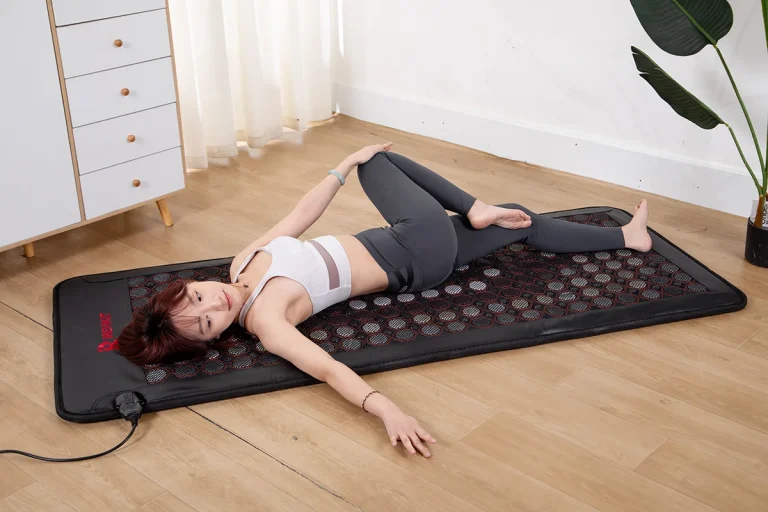
Whether you use a mat, pad, or localised applicator, ensure you can maintain the position for 15-30 minutes. Lying down works well for relaxation; sitting upright may suit focus-oriented sessions.
Step 3: Pick a suitable frequency
To reduce stress, begin with theta (4–8 Hz) or low alpha (8–10 Hz) settings. Keep the intensity on the lower end because more isn’t necessarily better, especially when you’re new to home PEMF devices.
Step 4: Combine with breathing
Try box breathing. Use your PEMF system. Inhale for 4 counts. Hold for 4 counts. Exhale for 4 counts. Hold for 4 counts. This technique activates your vagus nerve and amplifies the relaxation response.
Step 5: Maintain consistency
A randomized controlled study investigated PEMF combined with light therapy for work-related chronic stress. The study found that participants using the therapy twice weekly for 12 weeks experienced meaningful improvements in stress markers and quality of life. Consistency matters more than session length.
What to Expect During PEMF Therapy Sessions
A typical PEMF therapy session is relaxing and non-invasive. Clients remain fully clothed while lying on a PEMF mat or having applicators positioned over targeted areas. Sessions typically last 20-60 minutes, depending on the specific protocol and wellness goals.
Pro Tips for Optimal Results
1. Incorporating PEMF Therapy into Your Wellness Program
The FDA has approved a variety of PEMF devices for certain medical purposes, demonstrating the therapy’s safety profile when used appropriately. For optimal wellness benefits, consistency is key to achieving meaningful results.
2. Frequency and Duration Recommendations
Most wellness-focused PEMF protocols recommend 2-3 sessions per week initially, with maintenance sessions 1-2 times weekly once desired outcomes are achieved. Session frequency may vary based on individual needs, health status, and specific wellness objectives.
3. Combining PEMF with Other Therapies
PEMF therapy complements many other wellness modalities. It pairs excellently with massage therapy, red light therapy, hyperbaric oxygen therapy, and various recovery technologies. This integrative approach can amplify the benefits of each individual treatment.