

PEMF vs Red Light Therapy: Differences, Benefits, and Which to Choose
Wellness technology has grown quickly in recent years, PEMF (Pulsed Electromagnetic Field Therapy) and red light therapy are two big names in the world of healing without drugs or surgery. While they may all be used at home for relaxation or recovery routines, they work in completely different ways.
Both PEMF and Red Light Therapy are gentle ways to help your body heal using different kinds of energy. However, there are some key differences bebween these two therapies that you should be aware of before deciding which one is right for you.
Let’s explore the key differences between two therapies that you should be aware of before deciding which one is right for you.
PEMF: The Electrical Pathway
What is PEMF Therapy?
PEMF Therapy, also called Pulsed Electromagnetic Field Therapy, is a non-invasive, drug-free, and painless therapy that involves low-level electromagnetic waves being used to support your body’s natural recovery and promote general well-being.
By exposing your body to pulsed electromagnetic fields, PEMF Therapy is designed to influence cellular function, helping to enhance blood circulation, improve cellular energy, and support your body’s natural ability to recover.
PEMF therapy is commonly used for pain relief, circulation, inflammation, injury recovery, bone health, and even mental clarity or sleep support.
How Does PEMF Works?
PEMF therapy works by sending electromagnetic waves through the body. Deeply penetrating the tissues and bones, these waves improve cellular communication and activity. Think of it like recharging your batteries so they can repair, grow, and work better, leading to less swelling, better blood flow, and faster healing.
Red Light Therapy: The Biochemical Pathway
What is Red Light Therapy?
Red Light Therapy (RLT) is a non-invasive therapeutic technique involving the use of red and near-infrared light for interaction with your skin at a cellular level. This process, also known as photobiomodulation, has been extensively researched for many years, and measurable energy is added to the mitochondria of your cells. Healthy collagen production is supported, leading to healthier-looking skin over time.
How Does Red Light Therapy Work?
Red light therapy works primarily by the stimulation of the mitochondria in skin cells, which results in the boosting of adenosine triphosphate (ATP) production. ATP is the energy currency that cells use to perform various functions, including repair and regeneration. Research has shown that exposure to red light can lead to improvements in skin texture and a reduction in oxidative stress, which can target signs of skin ageing like fine lines and wrinkles.
Understanding the difference between PEMF and Red Light Therapy can make it easier to decide which option may fit your lifestyle and wellness goals.
PEMF vs Red Light Therapy: Key Differences
|
Feature |
PEMF Therapy |
Red Light Therapy |
|---|---|---|
|
Energy Type |
Uses pulsed electromagnetic fields that interact with cellular electrical activity. The energy is invisible and does not produce visible light during treatment. |
Uses photons in the red and near-infrared spectrum. LED devices emit visible red light that users can see during treatment sessions. |
|
Depth of Penetration |
Deep tissue (up to several inches) |
Surface-level to moderate depth |
|
Frequency |
Daily or several times/week for 30-90 days |
Daily or 3-5x/week for several weeks |
|
Main Effects |
Deep tissue repair, inflammation regulation, bone healing |
Skin regeneration, collagen production, ATP boost |
|
Best for |
Chronic pain, arthritis, fractures, inflammation |
Acne, aging skin, wound healing, muscle recovery |
|
Treatment Depth |
Deep (bone, joints, nerves) |
Surface to mid-level (skin, soft tissue) |
|
Typical Session |
20 min to 4+ hours |
5 to 20 minutes per area |
|
Device Type |
Mats, pads, or full-body systems that expose larger areas of the body to electromagnetic fields |
Panels, handhelds, LED masks, and targeted skincare devices or body application. |
|
Cost |
$350 to $3,000 |
$30 to $100 |
When to Use PEMF Therapy
Research into PEMF therapy has shown promise in a variety of areas, including pain relief, improved circulation, and reduced inflammation. You should use PEMF therapy when you’re dealing with chronic, deep-rooted issues.
- Arthritis and joint pain
- Non-union fractures and osteoporosis
- Post-surgical recovery
- Chronic inflammation and fibromyalgia
- Nerve regeneration and systemic fatigue
- Chronic stress and fatigue
- Sleep disturbances
Because PEMF works on deeper tissues and signalling pathways, it often takes a bit longer to show results, but it is a strong option for long-term healing.
When to Use Red Light Therapy
From boosting collagen and calming inflammation to regulating sleep cycles and supporting cellular repair, red light therapy’s versatility is backed by growing scientific validation. As its popularity increases, one question remains especially common: when should you do the red light therapy?
Red light therapy is your go-to for:
- Acne, rosacea, and other skin issues
- Fine lines, wrinkles, and sagging skin
- Scarring and wound healing
- Muscle recovery and minor injuries
- Mood support and circadian rhythm balance
- Sleep disorder or circadian rhythm issues
- Individuals with thinning hair or hair loss
- Depression and anxiety
Since RLT works on mitochondria and improves visible tissue health, results often appear faster for skin-related goals and surface-level inflammation.
Different Mechanism, Shared Benefits
Although red light therapy and PEMF work through different mechanisms, they solve the same problems and issues in powerful ways:
- Reduce inflammation: Both help calm the body’s inflammatory response.
- Relieve pain: Natural, drug-free pain relief by targeting root causes.
- Enhance tissue repair: Accelerate healing by supporting cellular repair processes.
- Boost circulation: Improved oxygen and nutrient delivery to tissues.
- Aid muscle recovery: Especially after workouts or injury.
- Support mental clarity & sleep: Modulate neurotransmitters and nervous system tone.
- Together, they’re like a wellness one-two punch.
Can You Use PEMF and Red Light Therapy Together?
Yes. PEMF and red light therapy can be used together; they function via different mechanisms and supplement each other well, so combining them doesn’t cause problems. The more practical question is how both can be fitted into the same recovery routine.
For most people building their recovery stack, the most important things to do are obvious. Red light therapy forms the foundation. It covers more goals, yields consistent results with regular use and its device specifications are easy to verify. PEMF works well as a supplement for anyone with bone density concerns, chronic pain that medical professionals manage, or persistent sleep issues.
Some practitioners and biohackers use both modalities in their routines:
- PEMF in the morning for energy and systemic support
- Red light on the face for skin health
- PEMF after workouts for deep muscle recovery
- Red light for surface-level muscle soreness and skin benefits
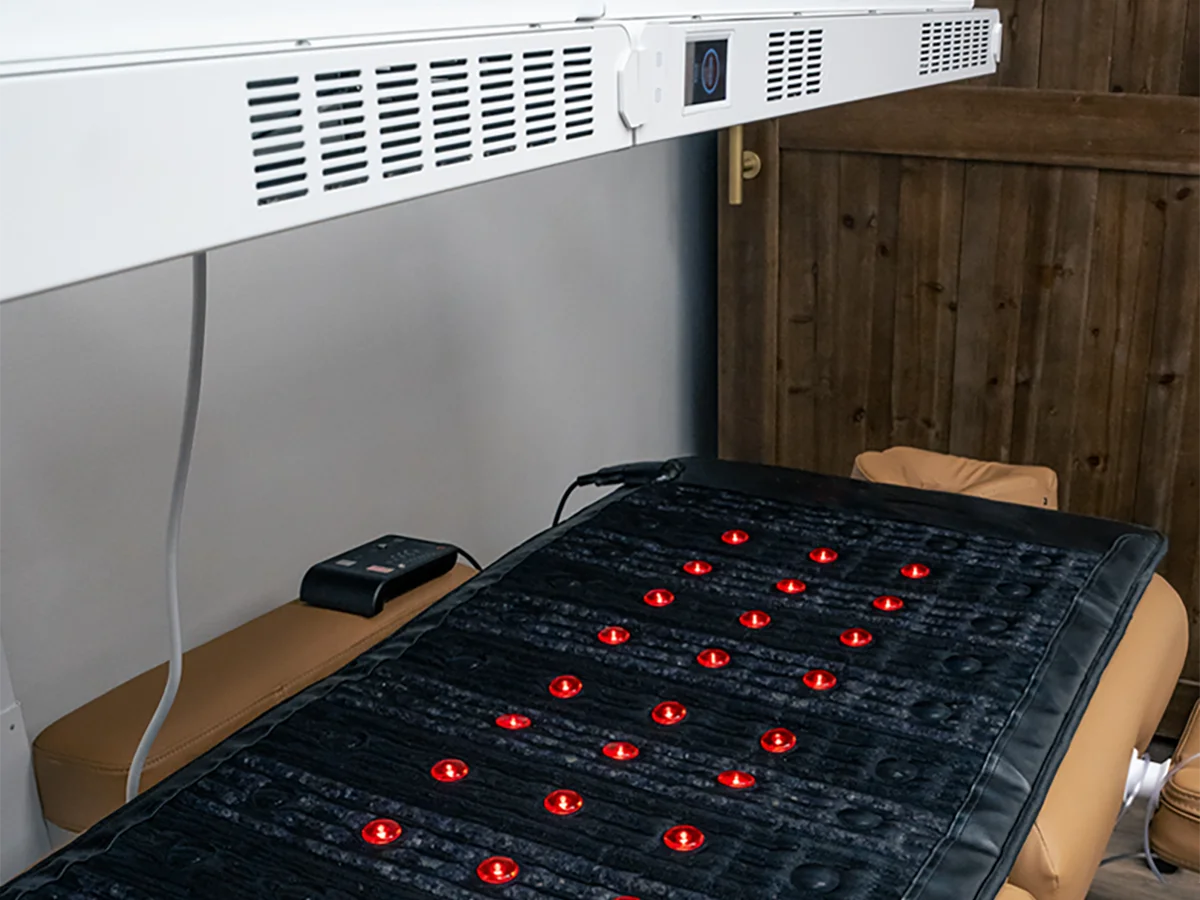
- Combined infrared+PEMF mats offer both modalities in one device
Main Benefits of PEMF Therapy:
PEMF is a well-researched technology that has been utilised by NASA, professional athletes, and in medical facilities around the globe. It has been shown to have multiple health benefits, including:
- Reduced inflammation
- Improved circulation and oxygenation
- Faster injury and wound healing
- Pain relief (chronic and acute)
- Improved bone density
- Improved sleep
- Reduced stress and anxiety
- Enhanced bone density and joint health
A variety of conditions, including arthritis, chronic pain, and sports injuries, have been treated using PEMF therapy. Furthermore, it is utilized by athletes to enhance performance and expedite recovery times.
Health Benefits of Red Light Therapy:
Light therapy has been tested in hundreds of peer-reviewed clinical trials, all of which have produced positive results. The benefits of red light therapy include:
- Skin Rejuvenation (boost collagen & elastin production)
- Tissue regeneration
- Wound healing
- Muscle recovery and soreness relief
- Improved skin health (anti-aging, acne, scars)
- Reduced inflammation
- Mood and cognitive support
- Hair regrowth in some users
RLT is commonly used in beauty and cosmetic wellness but is also making its way into performance recovery and chronic pain treatment circles.
In essence: PEMF stimulates cells electrically; RLT energizes cells chemically.